
A Guide for the First Time Land Buyer - A focus on Mississippi, Tennessee, and Arkansas
Land Buying for first timers.

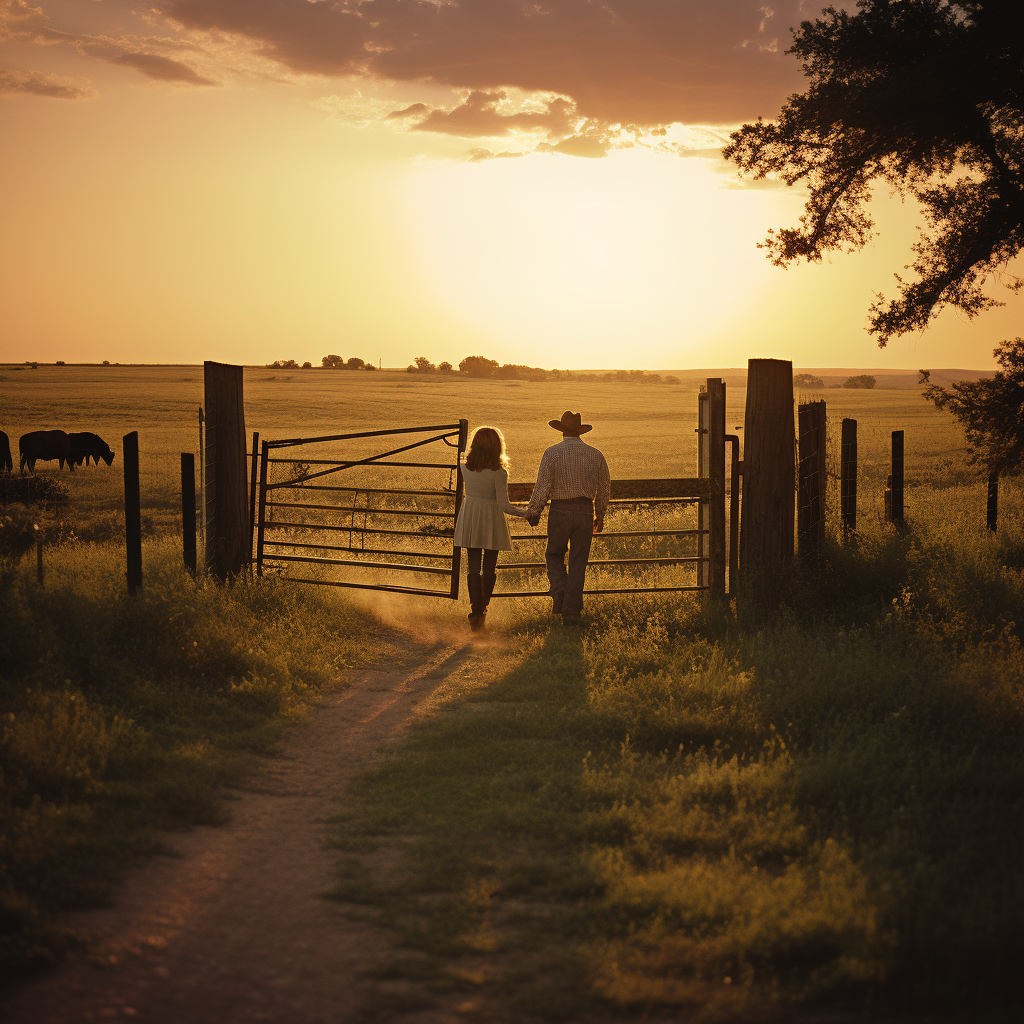
Open Your Own Gate - A First-Time Land Buyer's Guide:
Mississippi, Tennessee, & Arkansas
The feeling of owning your own piece of land – whether it's for building a dream home, hunting, farming, or simply investing – is a powerful one. But buying land for the first time can feel like navigating a maze. Unlike buying a house, there's a unique set of challenges and considerations.
Don't let the complexities scare you off! This guide is designed for the uninitiated. We'll walk you through the essential steps, turning that dream of land ownership into a reality.
According to a 2025 analysis, the typical land parcel takes about 125 days to sell. Let's make sure you're prepared to make the most of that time!
1. Saving Up and Securing Financing: Laying the Groundwork
Slow down, buddy. Before you start picturing your future homestead, let's talk money.
Down Payment and Savings:
Land loans typically require a larger down payment than a traditional mortgage, often starting at 20%. Start saving early and create a realistic budget.
Shop Around for Loan Rates:
Don't settle for the first offer you get. Banks, credit unions, and even the USDA offer land financing options. Explore them all!
USDA Loans are a great option for those buying land for the first time in rural areas! USDA construction loans can require little to no down payment for eligible properties in approved rural areas!
2. Define Your Objective: What's Your Land Dream?
What do you plan to do with your land, and where do you want it? This is crucial! Everyone and their brother want land less than 1 hour from home, "and a pond would be nice". I mean everyone! Understand location often determines price. A quick conversation with a Scout Land Company agent can help understand market dynamics.
Next, are you: Buying land for homesteading? You'll need to prioritize access to utilities, buildable land, and water sources.
Buying land for hunting? Look for properties with wildlife habitat, internal roads, foot plots, stands, privacy, and water features. What stays, what goes?
Buying land for investment? Focus on location, heat maps, appreciation potential, and development trends. Land appreciates at annual rates of 4 to 6 percent in many markets in 2025 and 2026.
Buying land for farming? Soil quality, water rights, and existing agricultural infrastructure are key.
Knowing your "why" will guide your search and prevent costly mistakes.
3. The Power of Representation: Choosing a land agent.
Think you can find the perfect property on your own? Probably so! Information on the internet seems to be at an all-time high. Just like residential buyers, land buyers have the same data at the tips of their fingers as any real estate agent. But, that’s not the reason you need an agent. An agent specializing in land is invaluable well past the search phase. They represent your interests, negotiate on your behalf, and protect your financial position. Using a land agent from the starting line pays dividends during a negotiation, due diligence, and closing process.
Land-Specific Expertise: General real estate agents may lack the specialized knowledge needed to evaluate land effectively. Land-specialized agents understand water, boundaries, surveys, mineral rights, agricultural exemptions, development potential, timber valuation, wildlife habitat, hunting regulations, utility extension costs, conservation programs, and infrastructure planning.
Scout Land Company: Consider working with a land-focused company like Scout Land Company . They have deep roots in forestry and land management, understanding land from every perspective. We can help evaluate soil scores and timber composition. We can help understand why a neighboring property is less valuable the second you cross the boundary line.
And as a buyer’s rep, we work for a commission that is most likely getting paid BY THE SELLER!
By February 2026, Scout Land Company closed over $20 million in sales as the buyer’s representative. Currently (August 2026) Scout Land Company has represented $35M in transactions. Scout Land Company is consistently one of the top agencies in Tennessee, Mississippi, and Arkansas when it comes to land sales. Click on our SOLD page HERE .
4. Touring and Evaluating: Seeing Beyond the Surface
Time to get your boots dirty! Touring land is more than just a walk in the woods. It can involve ATV's, trucks, jeeps, drones, boats, running from cattle, and spider webs!
Bring a Checklist: Evaluate water resources, access, roads, easements, utilities, fences, and potential building sites.
Check for Utilities: Are utilities accessible, or will you need a private well, a cistern, or a septic system? Extending electric service can cost $15,000 per quarter mile!
Assess the Neighborhood: Look at surrounding properties. Are they well-maintained? What's the overall community like?
Water is Key: If the property depends on private wells, request documentation showing the well's gallons-per-minute production rate.
5. The Contract Process: Sealing the Deal
The contract is where the legal rubber meets the road, and a seasoned agent is truly invaluable.
Legal Description: Ensure the legal description accurately identifies the property. Errors can lead to major headaches!
Contingencies: Protect yourself with contingencies for inspections, financing, and appraisals.
Ownership: Long-held family lands can truly be complex. In residential purchases, the chain of title is normally short. Some land deals can have north of 30 beneficiaries. As we said, A SEASONED AGENT IS TRULY INVALUABLE. This is Lewis and Clark navigation skills we're talking about.
Surveys: Decide who pays for the survey. It's an important step to identify boundary lines, easements, and encroachments.
6. Closing Time: Congratulations, Landowner!
Closing involves finalizing the paperwork, transferring funds, and officially recording the deed. Work closely with your title company and attorney to ensure a smooth process.
7. Maintaining Your Land: Long-Term Appreciation
Congratulations, you're a landowner! But the journey doesn't end at closing.
Ask your CPA important questions. Can you depreciate soils, roads, structures? Understand capital gains on timber sales.
Regular Maintenance: Keep your property clean, clear, and well-maintained.
.
Property Taxes: Stay on top of property taxes to avoid penalties or liens.
Improvements: Consider improvements that enhance the value and usability of your land.
Mississippi, Tennessee, and Arkansas: A Land Buyer's Paradise?
These states offer some of the most affordable land in the US, making them ideal for first-time buyers.
Mississippi:
Consistently offers some of the lowest per-acre prices nationwide. Mississippi is set to shed their state income tax soon and property values will soar as migration begins. Some of the most affordable coastline in the country lies in this state.
Arkansas:
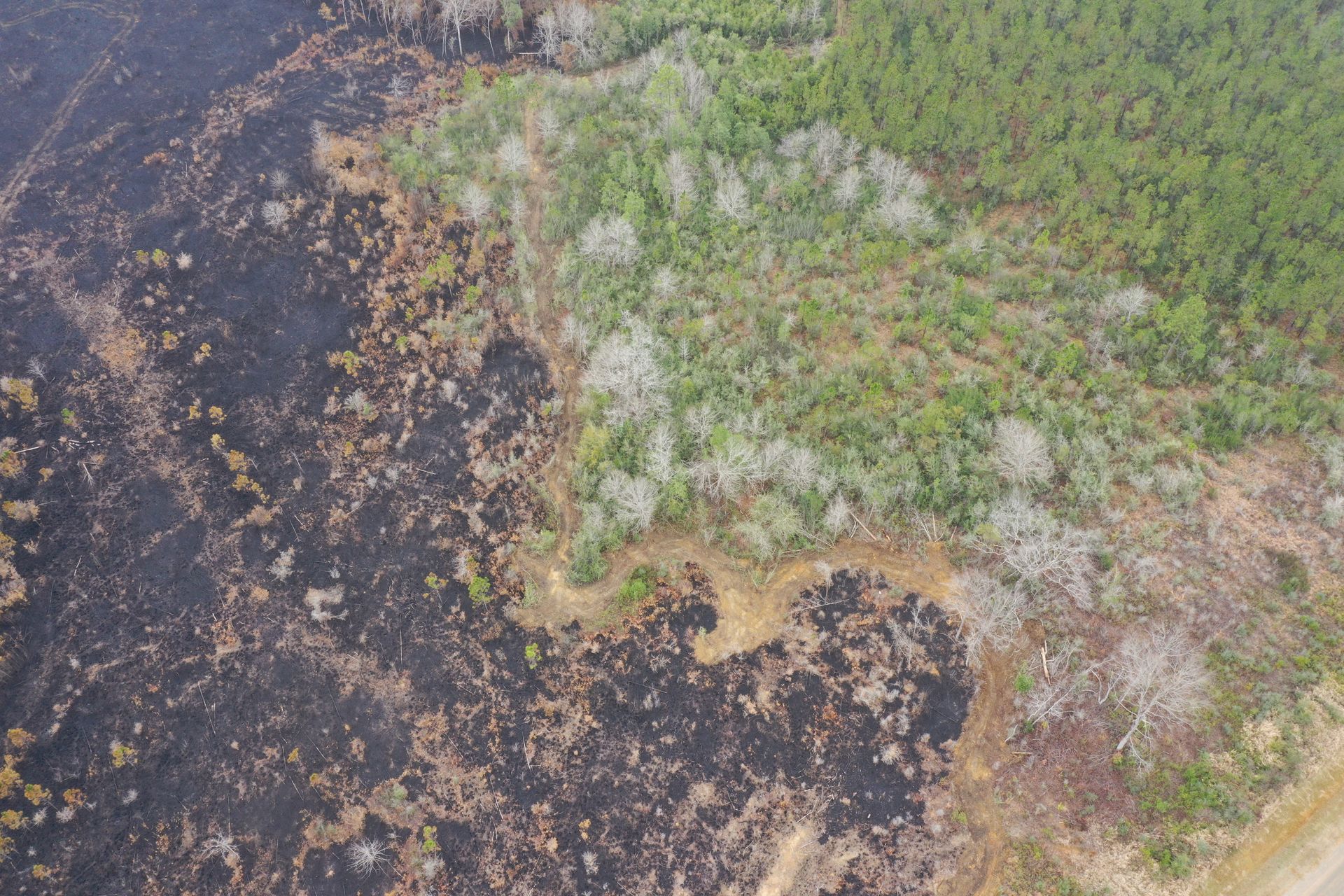
Extensive rural properties with diverse topography. On aerial views, Arkansas' drama unfolds. Northeast Arkansas consists of clear running rivers and farmland. In northwest Arkansas, the Ozark and Ouachita mountains fight for attention with the Buffalo River or over a million acres of public land. Not to mention towns with cool names like Snowball, Deer, Ponca, or Tomahawk.
Tennessee:
The Volunteer state can be divided in two on pricing. Western Tennessee shows still holds some of the lowest priced acreage in the state, while middle and east Tennessee hold the title for higher prices (with exceptional value), especially in fast-moving counties.
Remember, market conditions vary within each state, so do your research!
Ready to Take the Plunge?
Buying land for the first time can be an exciting and rewarding experience. By following these tips, doing your due diligence, and working with experienced professionals, you can confidently navigate the process and find the perfect piece of land to call your own.
Tell us what you are looking for with the form below or Click the Scout Land Company link to fill our a form.
Ready to get started? Click to fill our Buyers Form and get our free PDF Land Buyers Guide: Scout Land Company
Make today the day and let our agents guide you towards your land ownership dreams!